
Metal roofing installations have surged as homeowners discover systems lasting 30-50 years compared to asphalt shingle roofs’ typical 15-25 year lifespan. This dramatic longevity advantage, combined with superior energy efficiency and durability, makes metal roofing an increasingly attractive investment for building owners. However, realizing these benefits requires hiring qualified metal roof installation contractors who possess the specialized expertise these complex systems demand.
Unlike traditional roofing projects, metal roof installation involves unique technical requirements, specialized tools, and installation methodologies that distinguish professional metal roofing contractors from general roofers. The difference between a properly installed metal roofing system and a problematic installation often determines whether you’ll enjoy decades of trouble-free performance or face costly repairs and premature replacement.
This comprehensive guide provides everything you need to successfully find, evaluate, and hire the right metal roofing contractor for your project. From understanding contractor qualifications to recognizing red flags, you’ll learn how to navigate the hiring process confidently and protect your investment.
What Are Metal Roof Installation Contractors
Metal roof installation contractors are specialized roofing professionals who focus exclusively on installing, maintaining, and repairing metal roofing systems. These contractors possess fundamentally different expertise than traditional roofers who primarily work with asphalt shingle installations. While general roofing contractors may advertise metal roof services, dedicated metal roofing specialists bring the focused experience and technical knowledge these systems require.
Professional metal roofing contractors typically install four primary system types: standing seam metal roofs with concealed fasteners, corrugated metal panels, metal tiles designed to mimic traditional materials, and retrofit systems that install over existing roofing material. Each system demands specific installation techniques, fastening methods, and thermal expansion considerations that require specialized training and experience.
The industry recognizes that qualified metal roof installation contractors should possess at least 5 years of focused experience in metal roofing with a portfolio demonstrating 50 or more completed projects. This experience threshold ensures contractors understand the nuances of metal panel handling, proper fastening techniques, and thermal movement accommodation that distinguish successful installations from problematic ones.
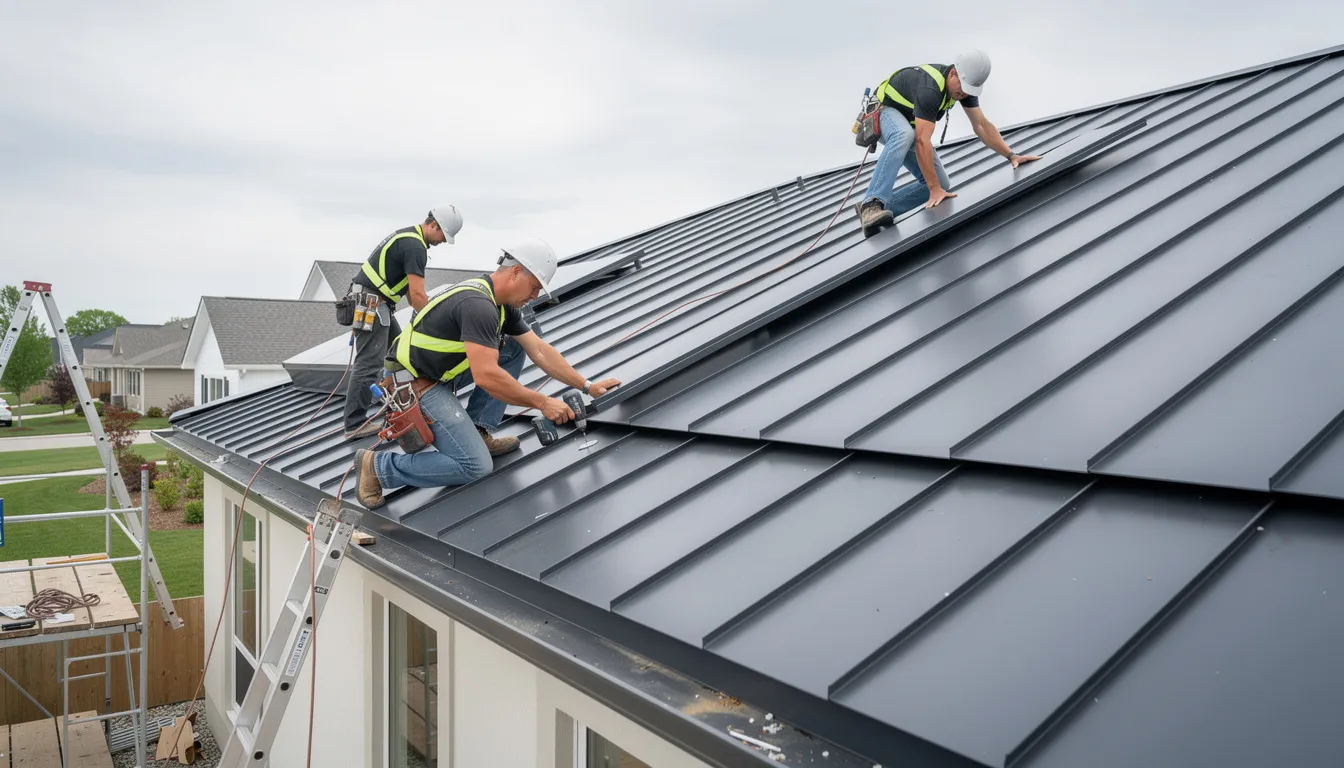
Reputable contractors maintain certifications from major manufacturers like DECRA, Englert, or McElroy Metal. These certifications require ongoing training, demonstrate commitment to industry best practices, and often provide access to enhanced warranty coverage for customers. Certified installers receive technical support, installation guidelines, and quality assurance protocols that differentiate them from uncertified contractors attempting metal roof installations without proper training.
How to Find Qualified Metal Roof Installation Contractors
Finding the right metal roofing contractor begins with targeting sources that specialize in metal roofing rather than general roofing services. Manufacturer referral networks provide the most reliable starting point for locating qualified contractors in your area. Companies like Sheffield Metals, ATAS, and Berridge maintain databases of certified installers who have completed manufacturer training and demonstrated installation competency.
The National Roofing Contractors Association (NRCA) member directory offers another valuable resource for locating professional roofing contractors with established business practices and industry standing. NRCA membership requires adherence to ethical business standards and provides ongoing education that keeps members current with evolving industry practices.
The Metal Construction Association (MCA) maintains a certified installer database specifically focused on metal roofing professionals. This specialized directory targets contractors who have invested in metal-specific training and demonstrated expertise in metal roofing systems installation.
Online platforms like Angie’s List, HomeAdvisor, and Google Local Services can supplement your research, but focus on contractors maintaining consistent 4.5+ star ratings with substantial review volumes. Pay particular attention to reviews specifically mentioning metal roofing projects rather than general roofing work.
Local referrals from neighbors who have completed recent metal roofing projects provide valuable firsthand insights into contractor performance, communication, and workmanship quality. Architects and building supply stores often maintain relationships with reliable contractors and can provide recommendations based on professional experience.
Target your search within a 50-mile radius of your location to ensure contractors can provide ongoing warranty support and respond quickly to any post-installation concerns. Local contractors also understand regional building codes, permit requirements, and weather considerations that affect installation procedures.
Essential Qualifications to Verify Before Hiring
Before engaging any metal roofing contractor, verify they possess current, valid state contractor licenses appropriate for your location. Licensing requirements vary significantly by state, ranging from no specific requirements to specialty roofing licenses with testing and experience prerequisites. Research your state’s specific requirements and confirm your contractor maintains proper licensing status.
Insurance verification represents a critical protection step that many homeowners overlook. Require contractors to provide current certificates of insurance demonstrating general liability coverage of at least $1 million and workers’ compensation coverage protecting all crew members working on your property. Request that these certificates name you as additional insured during the project period.
Manufacturer certifications for the specific metal roofing products you’re considering provide another important qualification marker. These certifications demonstrate the contractor has received proper training on installation procedures, understands warranty requirements, and maintains standing with the manufacturer. Certified contractors often provide enhanced warranty coverage and technical support access.
Better Business Bureau ratings offer insights into complaint resolution and business practices. Target contractors maintaining A- ratings or higher, indicating consistent customer satisfaction and professional complaint handling. Review any complaints filed against contractors and evaluate their responses to customer concerns.
Require a minimum of three recent local references from projects completed within the past 12 months. Contact these references directly to discuss contractor performance, communication quality, timeline adherence, and overall satisfaction. Ask specific questions about cleanup, weather delays, and how the contractor handled unexpected issues.
Portfolio review should demonstrate at least 25 completed metal roof installations similar to your project in terms of size, complexity, and roofing material. Quality contractors eagerly share project photos and will provide specific details about installation challenges and solutions implemented.
Licensing and Insurance Requirements by State
State licensing requirements for roofing contractors vary dramatically across the United States. Some states require no specific licensing for roofing work, while others mandate specialty roofing licenses with testing, experience, and bonding requirements. Research your specific state’s requirements through your state’s contractor licensing board or department of commerce.
Insurance requirements also vary by location, with some states mandating specific coverage minimums while others leave requirements to local jurisdictions. Regardless of legal minimums, insist on general liability coverage of at least $1 million and workers’ compensation protecting all workers on your property.
Request current certificates of insurance directly from the contractor’s insurance carrier rather than accepting photocopies of insurance cards. Verify coverage dates encompass your project timeline and confirm the contractor maintains good standing with their insurance carrier.
Worker’s compensation coverage protects you from liability if crew members suffer injuries while working on your property. This coverage should extend to all workers, including any subcontractors involved in your project. Contractors who claim their workers don’t need coverage or who cannot provide proof of coverage represent significant liability risks.
Metal Roof Installation Process and Timeline
Understanding the metal roof installation process helps you set realistic expectations and monitor project progress effectively. Most homeowners find that a typical installation requires 3-7 days for an average 2,000 square foot home, though project complexity and weather conditions can extend this timeline.
The process begins with pre-installation inspection and material delivery, typically requiring 1-2 days. During this phase, contractors perform detailed roof measurements, assess structural condition, and coordinate material delivery timing. Quality contractors use this time to identify potential complications and prepare solutions before installation begins.
Old roof removal, when required, usually takes 1-2 days depending on the number of existing layers and disposal logistics. Some metal roofing systems can install over existing asphalt shingle roofs, eliminating tear-off costs and reducing project timeline. Your contractor should evaluate whether your existing roof structure supports overlay installation or requires complete removal.
Deck preparation and underlayment installation typically require one full day. This critical phase involves installing ice and water shield in valleys and around penetrations, applying synthetic underlayment across the entire roof surface, and ensuring proper ventilation systems. Quality underlayment installation provides the foundation for long-term system performance.
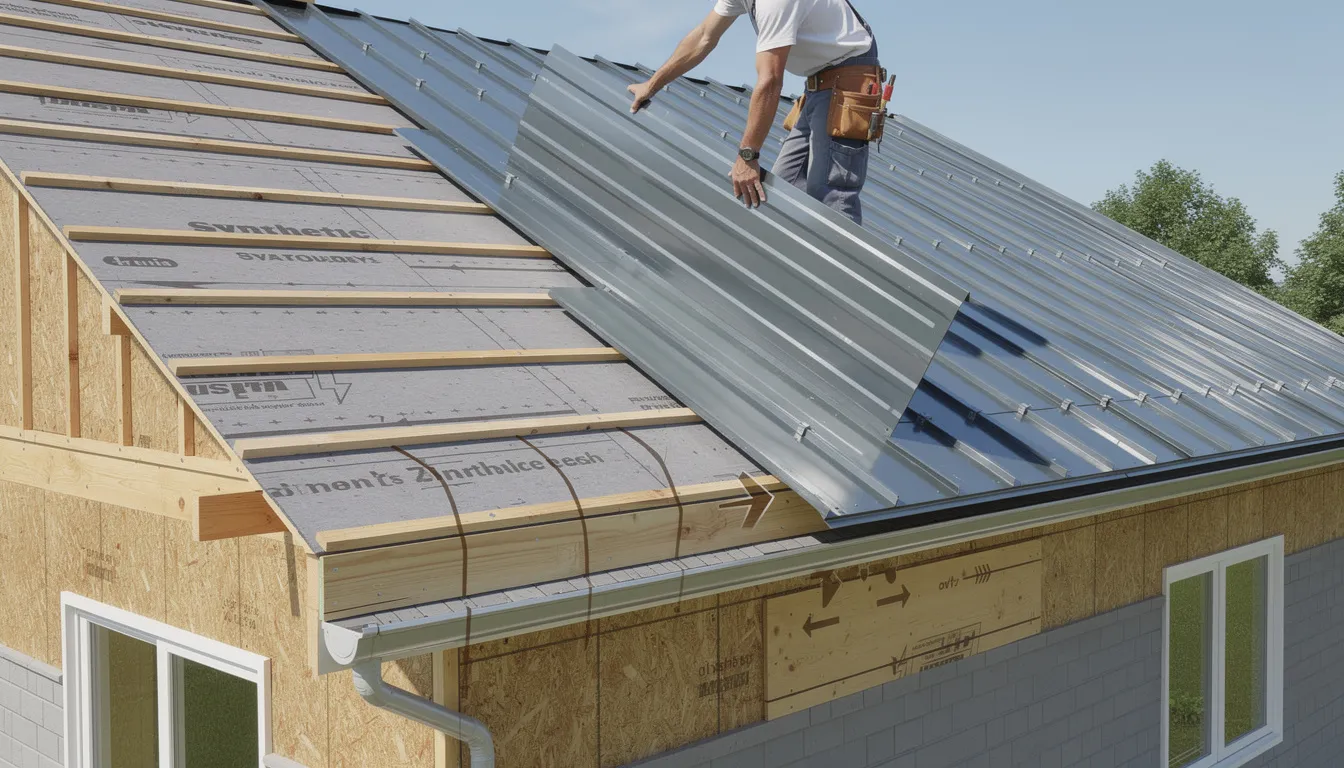
Metal panel installation represents the most visible project phase, requiring 2-3 days for standing seam systems and 1-2 days for corrugated installations. Panel placement demands precision because initial panel alignment affects the entire installation. Contractors must accommodate thermal expansion, maintain proper overlap spacing, and ensure fastener placement follows manufacturer specifications.
Flashing, trim installation, and final inspection typically require one additional day. This phase includes ridge cap installation, valley flashing, chimney and vent penetration sealing, and gutter attachment. Professional contractors conduct comprehensive final inspections to verify proper installation and identify any areas requiring attention.
Weather delays can extend project timelines by 2-5 additional days, particularly during spring and fall seasons when precipitation becomes more frequent. Quality contractors monitor weather forecasts closely and adjust schedules to prevent installation during inappropriate conditions that could compromise workmanship or safety.
Cost Factors and Pricing for Metal Roof Installation
Metal roof installation costs vary significantly based on material selection, project complexity, and regional pricing differences. Standing seam metal roof installation typically ranges from $12-$18 per square foot including labor in 2024, representing the premium end of metal roofing options. This system’s concealed fasteners, clean appearance, and superior longevity justify higher pricing for most homeowners seeking long-term value.
Corrugated metal installation costs $8-$14 per square foot including labor, providing a more budget-friendly option while maintaining many of metal roofing’s core advantages. This system works well for agricultural buildings, workshops, and homeowners prioritizing function over aesthetics.
Metal tile installation ranges from $10-$16 per square foot including labor, offering compromise between traditional appearance and metal roofing benefits. These systems appeal to homeowners in neighborhoods with architectural restrictions or those preferring traditional roofing aesthetics.
Additional costs beyond basic installation significantly impact total project budgets. Tear-off of existing roofing materials adds $2-$5 per square foot, depending on layers present and disposal requirements. Deck repair costs $3-$8 per square foot when contractors discover rotting or damaged plywood during tear-off. Building permits typically cost $100-$500 depending on local requirements and project value.
Geographic pricing variations reflect regional labor costs and material transportation expenses. Northeastern and California markets typically command premium pricing 15-25% above national averages, while Midwest regions often offer 10-15% below average pricing. Mountain states may experience material surcharges due to transportation distances from manufacturing centers.
Smart hiring practices involve obtaining 3-5 detailed quotes with itemized material and labor costs. This approach allows accurate comparison and helps identify contractors who may be cutting corners through unrealistic low pricing. Quality contractors provide detailed breakdowns showing material specifications, labor hours, and project timeline estimates.
Red Flags to Avoid When Hiring Contractors
Protecting yourself from contractor scams and poor workmanship requires recognizing common warning signs that indicate problematic business practices. The most serious red flag involves contractors requesting full payment upfront before beginning work. Legitimate roofing contractors typically request 10-20% down payment maximum, with remaining payments tied to project milestones rather than calendar dates.
Door-to-door solicitation, especially following severe weather events, frequently indicates storm-chasing contractors who travel between disaster areas seeking quick profits. These contractors often claim to have “leftover materials” from nearby projects or pressure homeowners to sign contracts immediately to secure “special pricing.” Quality local contractors build reputations through referrals and established business relationships rather than cold-calling residents.
Quotes significantly below others you’ve received deserve careful scrutiny, particularly when prices fall more than 25% below average ranges. Unrealistic low pricing usually indicates corner-cutting on materials, inexperienced labor, or inadequate insurance coverage. These contractors may disappear after collecting deposits or deliver substandard workmanship that costs more to repair than proper initial installation.
Contractors operating without established local business addresses or using only P.O. Box listings raise legitimacy concerns. Professional contractors maintain physical business locations where customers can visit, review portfolios, and discuss projects. Avoid contractors who cannot provide verifiable business addresses or insist on meeting only at your property.
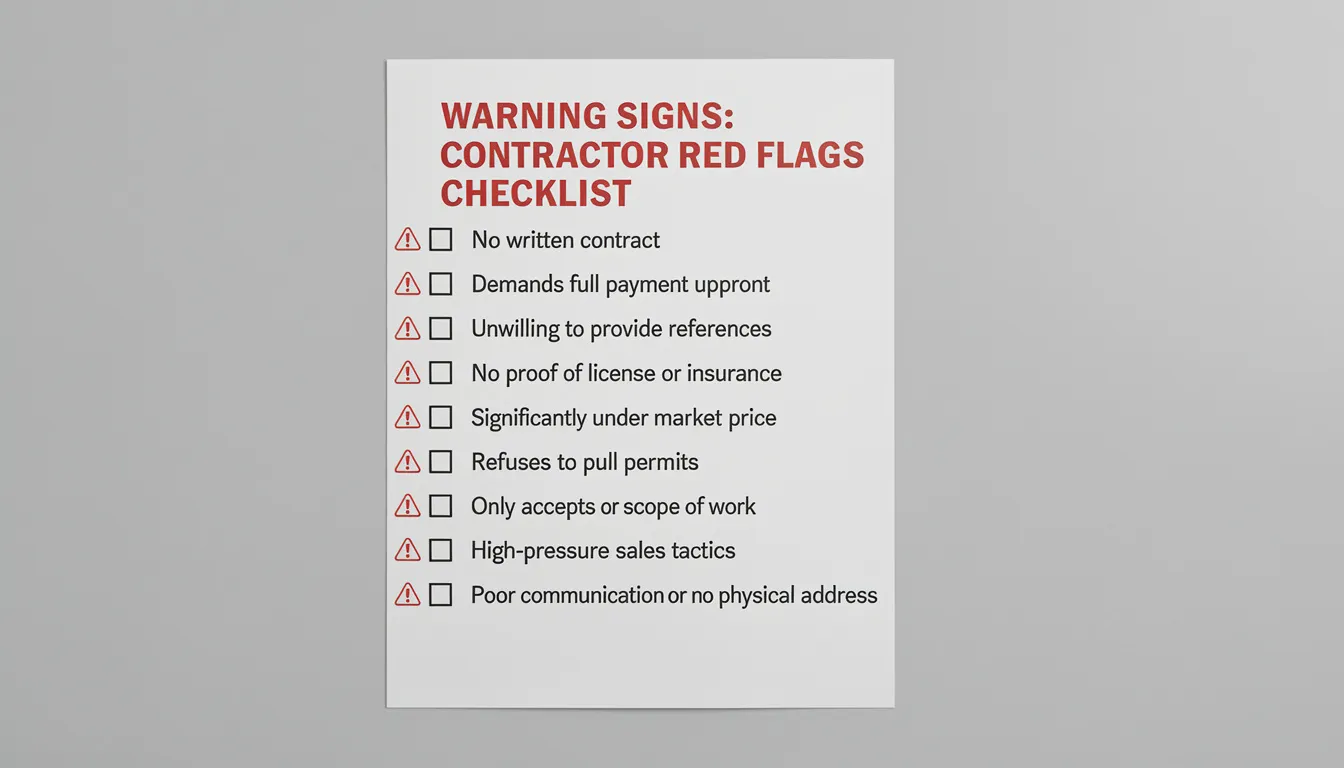
Pressure tactics demanding immediate contract signing without adequate review time indicate problematic business practices. Professional contractors understand that metal roofing represents a significant investment requiring careful consideration. They provide detailed contracts, encourage questions, and allow reasonable time for decision-making.
Offers to pay insurance deductibles constitute insurance fraud that can result in legal consequences for both contractors and homeowners. Legitimate contractors work within insurance claim processes but never offer to manipulate claim amounts or circumvent deductible requirements.
Inability to provide current license and insurance documentation immediately disqualifies contractors from consideration. Professional contractors maintain readily available copies of all required documentation and eagerly share credentials with potential customers.
Questions to Ask During Contractor Interviews
Thorough contractor interviews provide essential insights into experience, capabilities, and business practices before making hiring decisions. Begin by asking how many metal roofs the contractor has installed during the past 24 months. This question reveals current activity levels and recent experience with metal roofing systems rather than outdated credentials.
Inquire about specific metal roofing systems the contractor specializes in installing. Quality contractors focus on particular systems rather than claiming expertise in all available options. Look for contractors who demonstrate deep knowledge of standing seam metal, corrugated systems, or metal tiles based on your project requirements.
Request five recent customer references with current contact information from projects completed within the past year. Professional contractors maintain positive relationships with recent customers and feel confident about reference quality. Contact these references directly to discuss contractor performance, communication, and overall satisfaction levels.
Ask about installation workmanship warranties offered beyond manufacturer material warranties. Reputable contractors typically provide 2-10 year warranties covering their installation work, demonstrating confidence in their craftsmanship and commitment to customer satisfaction.
Clarify whether the contractor handles building permits and required inspections or if these become homeowner responsibilities. Experienced contractors understand local permit requirements and inspection processes, often handling these administrative tasks as part of their service offerings.
Discuss weather delay policies and how they affect project timelines. Professional contractors have established procedures for weather delays and communicate clearly about timeline adjustments when conditions prevent safe installation work.
Determine whether the contractor uses exclusively their own crews or subcontracts portions of the work. While subcontracting isn’t necessarily problematic, you want to understand who will actually perform your installation and verify that all workers carry appropriate insurance coverage.
Contract Terms and Warranty Considerations
Comprehensive written contracts protect both homeowners and contractors by clearly defining project scope, responsibilities, and expectations. Your contract must include detailed material specifications identifying exact products, colors, and quantities to be installed. This specification prevents substitution of inferior materials without your knowledge and ensures warranty coverage applies appropriately.
Labor cost breakdowns should separate installation work from material costs, allowing you to understand pricing structure and identify areas where you might save money through alternative approaches. Timeline specifications should include project start date, estimated completion date, and procedures for handling weather-related delays.
Cleanup responsibilities require clear definition to prevent disputes after project completion. Professional contractors include comprehensive cleanup in their contracts, covering debris removal, magnetic sweeps for fallen fasteners, and restoration of landscaped areas affected during installation.
Manufacturer material warranties typically range from 20-50 years depending on product line and application. These warranties cover material defects, color fading, and structural integrity but require proper installation by qualified contractors to remain valid. Review warranty terms carefully to understand coverage limitations and claim procedures.
Installation workmanship warranties offered by reputable contractors typically provide 2-10 year coverage for installation-related issues. These warranties cover problems arising from improper installation techniques, inadequate flashing, or fastener failures related to installation errors rather than material defects.
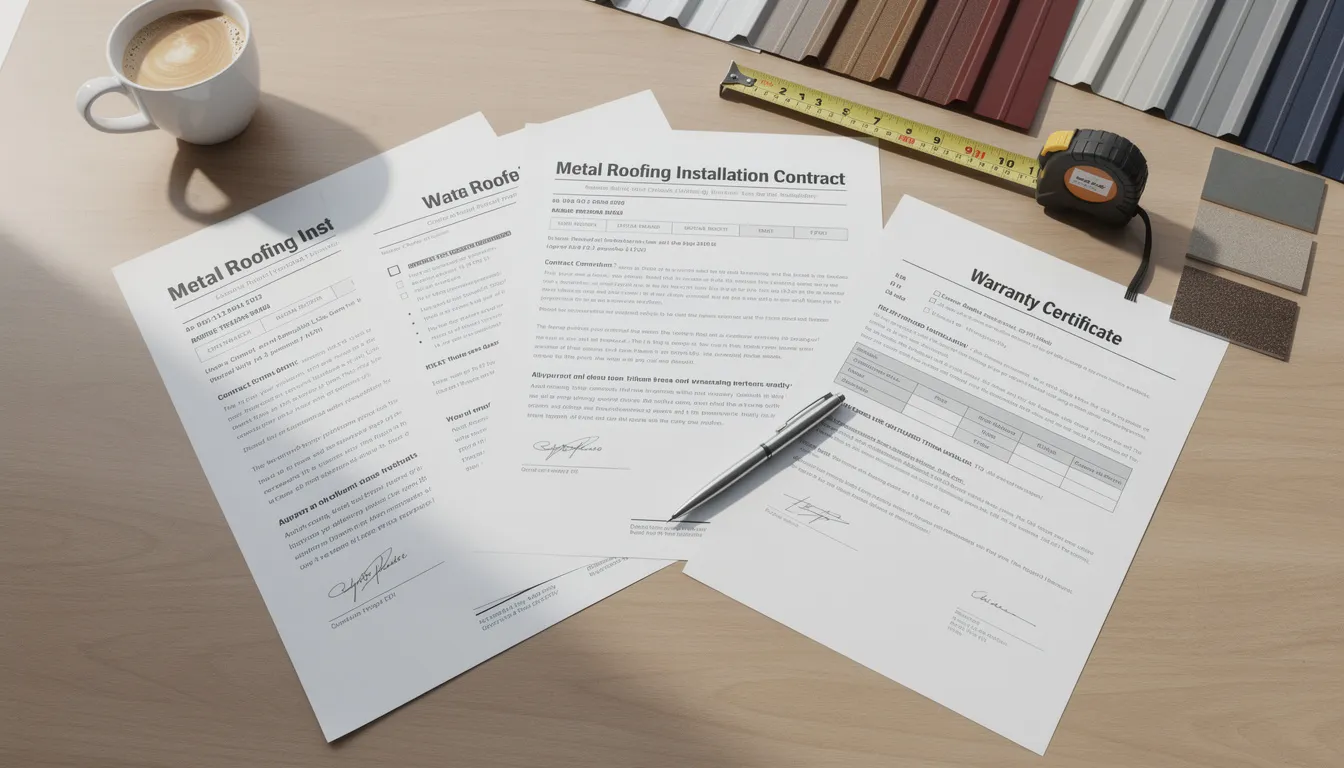
Change order procedures should be established before work begins to handle unexpected issues discovered during installation. These procedures should specify approval requirements, cost calculation methods, and timeline impact assessments for additional work beyond the original contract scope.
Payment schedule terms should tie payments to project milestones rather than calendar dates. Typical schedules involve small down payments (10-20%), progress payments upon material delivery and installation completion, and final payment upon project completion and customer satisfaction.
Lien waiver requirements protect you from subcontractor payment disputes that could result in liens against your property. Require contractors to provide lien waivers from all subcontractors and material suppliers upon final payment completion.
Top Metal Roofing Contractors by Region
While contractor selection should always prioritize local availability and references, several established companies have built strong reputations across multiple regions for metal roofing expertise and customer satisfaction.
In the Northeast region, companies like Classic Metal Roofing Systems (based in Ohio but serving multiple states) have established themselves through 25+ years of metal roofing specialization. They maintain manufacturer certifications from multiple product lines and offer comprehensive warranties on installation workmanship. Their portfolio includes residential, commercial, and historic restoration projects demonstrating versatility and technical expertise.
Southeast markets feature established contractors like Premiere Roofing (North Carolina) with over 15 years of focused metal roofing experience and certifications from major manufacturers including DECRA and Englert. Their customer satisfaction ratings consistently exceed 4.8 stars, and they maintain A+ Better Business Bureau ratings through professional business practices and comprehensive customer service.
Midwest regions benefit from contractors like Metal Roof Outlet (Indiana/Ohio) who specialize exclusively in metal roofing systems with over 20 years of industry experience. They maintain direct manufacturer relationships allowing competitive material pricing and access to the latest product innovations. Their service area covers multiple states, and they provide lifetime limited warranty coverage on installation workmanship.
Western markets feature companies like Pacific West Roofing (California/Oregon) with extensive experience in seismic considerations and high-wind installations common in coastal regions. They maintain specialty certifications for standing seam metal systems and have completed numerous commercial and residential projects in challenging weather environments.
When evaluating contractors in your region, prioritize local companies with established business addresses, multiple positive references, and demonstrated experience with projects similar to yours. Regional contractors understand local building codes, weather patterns, and permit requirements that affect installation success.
Conclusion
Finding and hiring qualified metal roof installation contractors requires careful research, thorough vetting, and attention to detail throughout the selection process. The specialized nature of metal roofing systems demands contractors with focused experience, proper certifications, and proven track records rather than general roofers attempting to expand their service offerings.
Success depends on starting your search through manufacturer referral networks, verifying credentials thoroughly, and obtaining multiple detailed quotes for accurate comparison. Avoid common pitfalls by recognizing red flags like pressure tactics, unusually low pricing, and requests for excessive upfront payments that indicate problematic business practices.
Most homeowners find that investing time in thorough contractor research pays dividends through superior installation quality, comprehensive warranty coverage, and long-term system performance that justifies metal roofing’s premium pricing. Remember that your roofing material investment only succeeds when properly installed by knowledgeable professionals who understand the technical requirements these systems demand.
Take the time to interview multiple contractors, check references carefully, and review contracts thoroughly before making your final hiring decision. Your diligence during the selection process determines whether you’ll enjoy the 30-50 year lifespan advantages that make metal roofing an attractive investment for building owners seeking durability and energy efficient roofing solutions.