
Key Takeaways
-
Different metal roof types fit different budgets, aesthetics, and building uses. Standing seam metal roofing, corrugated metal roofs, stone coated steel, and metal shingles each serve distinct purposes depending on your priorities.
-
Standing seam metal roofing generally offers the best blend of longevity, low maintenance, and weather resistance for both homes and commercial buildings.
-
Corrugated metal and other exposed fastener systems are usually the most affordable but require more long-term maintenance of fasteners and sealants.
-
Choice of metal roofing materials – steel, aluminum, copper, zinc, or stone coated steel – directly affects corrosion resistance, especially in coastal or industrial environments.
-
The installation process and contractor expertise are as important as the metal type itself for leak resistance and warranty validity.
Introduction to Metal Roof Types
Metal roofs are durable, energy-efficient, and long-lasting, which explains why they’ve moved from agricultural and commercial buildings into mainstream residential construction since the 1990s. Today, different metal roofing materials can last 40 to 70+ years, making them a compelling alternative to traditional asphalt shingles that typically need replacement every 15 to 25 years.
When people discuss metal roof types, they’re usually talking about two things: the base material (steel, aluminum, copper, zinc, or stone coated steel) and the panel profile or style (standing seam, corrugated, metal shingles, and others). Modern roofing metal can imitate asphalt shingles, wood shake textures, slate, or even Spanish clay tiles while delivering superior fire resistance and decades of performance.
This article covers the main material options first, then the major profiles and metal roof styles, followed by costs, the installation process, and a practical framework for choosing the right roof.
Metal Roofing Materials: Core Options
Metal roofs come in several different materials with unique performance traits. Metal roofing materials include steel, aluminum, copper, and zinc, plus composite systems like stone coated steel, and they are available in a wide variety of styles and colors. Each material differs in corrosion resistance, weight, cost, and ideal use cases.
Steel Roofing
Steel is one of the most common materials for galvanized steel roofing across North America. It comes in two primary coating types: galvanized steel (coated with pure zinc) and Galvalume steel (roughly 55% aluminum, 43% zinc, and 1–2% silicon). Galvalume offers both barrier and sacrificial corrosion protection – in standardized salt-spray testing (ASTM B117), properly painted Galvalume can exceed 4,000 hours before visible red rust.
Residential steel roofing panels typically range from 26-gauge to 24-gauge (about 0.018″ to 0.024″ thick). Heavier gauges improve dent resistance and wind performance but increase cost. Steel works with virtually every profile – standing seam, corrugated, tiles – and offers the widest color palette of any roofing metal. The main downside: if coatings get scratched or cut edges go unprotected, corrosion can spread, particularly in harsh coastal environments.
Aluminum Roofing
Aluminum roofing is highly corrosion resistant, ideal for coastal areas where salt spray and humidity destroy other metals. The metal forms a natural oxide layer that shields it from the elements without additional treatment. Aluminum roofs require low maintenance and resist corrosion even in marine environments where standard galvanized steel may fail within 3 to 7 years.
At roughly one-third the weight of steel, aluminum standing seam roofing reduces structural load and can sometimes be installed over an existing roof layer. The trade-offs: aluminum is generally 50–100% more expensive than comparable steel products, and softer metal means more susceptibility to denting from hail. Color and finish ranges may be slightly narrower than steel in some regions, though standing seam, corrugated metal panels, and metal shingles are all available.
Copper Roofs
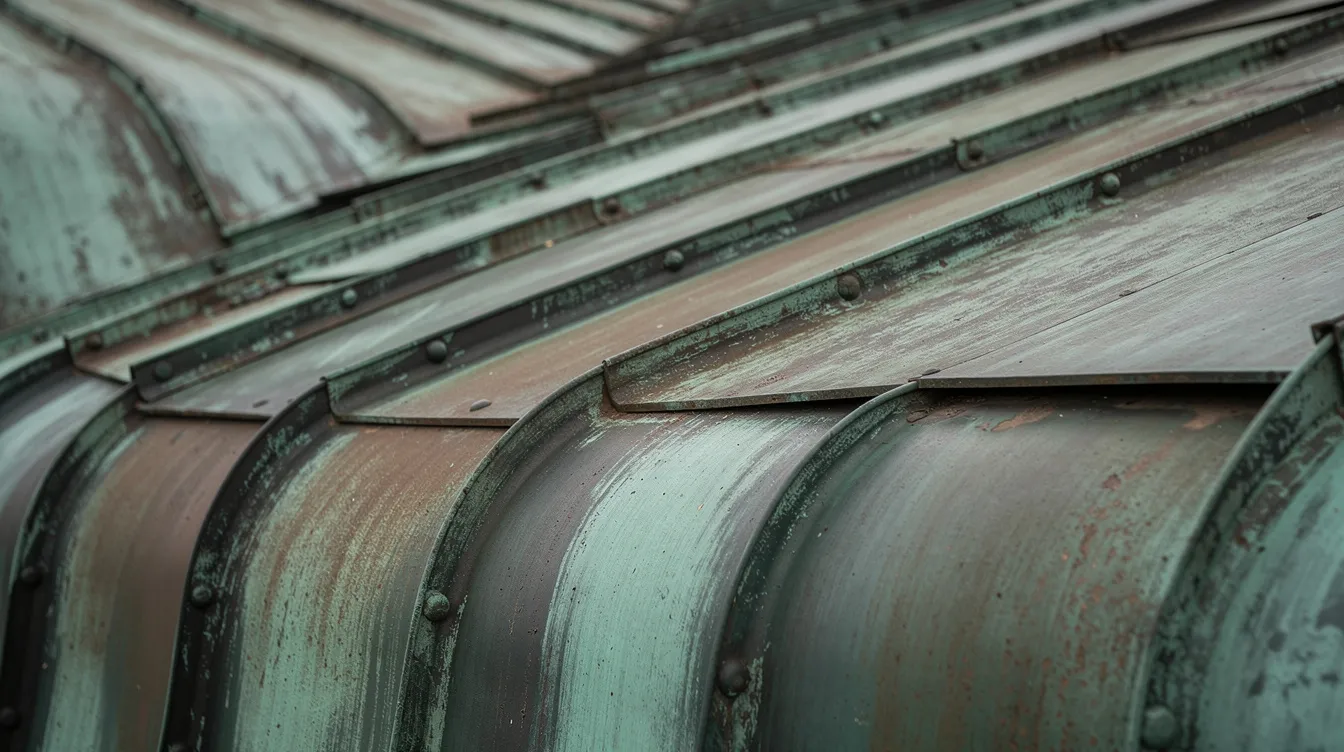
Copper roofing is a premium option found on high-end homes, historic buildings, and architectural accents like domes, bay windows, and towers. Fresh copper starts as bright metallic, then transitions to brown before developing its signature green patina over 10 to 30 years. This protective patina acts as a natural corrosion barrier.
Copper roofs can last over 100 years with minimal maintenance – some historic copper roofs in Europe and the U.S. are still performing after 150+ years. That expected lifespan justifies the high upfront costs. Copper can be installed as standing seam metal, shingles, or custom panels. Because copper expands and contracts significantly with temperature, thermal movement must be carefully handled during installation, and all fasteners and flashings must be compatible metals to avoid galvanic corrosion.
Zinc Roofing
Zinc roofing is a long-lasting, self-healing material popular in European architecture and increasingly specified on contemporary commercial buildings and modern homes in North America. Zinc roofing is 100% recyclable and has self-healing properties – when scratched, the surface gradually re-oxidizes and blends, reducing visible wear. Zinc develops a blue gray patina over time that serves as ongoing protection against the elements.
Zinc roofs can last 80–100 years with little upkeep. However, material costs are high and installer familiarity in many U.S. regions remains limited, which can increase pricing and lead times. Among the most expensive metal roofing materials alongside copper, zinc’s relatively low melting point and full recyclability give it strong environmental credentials, while its long service life minimizes replacement frequency.
Stone Coated Steel Roofing
Stone coated steel roofing consists of formed steel panels coated with a zinc or aluminum-zinc alloy and topped with stone granules embedded in an acrylic binder. Stone-coated metal roofing combines steel with stone granules for aesthetics, designed to mimic traditional shingles, wood shake, or clay tiles while delivering the durability and lighter weight of metal.
Performance is notable: strong wind resistance (many systems rated 120–155+ mph), Class 4 impact resistance, and better sound-dampening compared to bare metal panels. Stone-coated steel roofs have a lifespan of 40–70 years depending on environment and coating quality. These systems can use either exposed or concealed fasteners, affecting appearance, cost, and long-term maintenance.
Major Metal Roof Styles and Profiles
When contractors and homeowners talk about types of metal roofs, they’re usually referring to the visible surface profile. Metal roofing styles include standing seam, corrugated panels, and metal shingles, plus ribbed panels and stone coated products. The same base metal – steel or aluminum – can be formed into many different styles, each with distinct aesthetics, performance characteristics, and installation complexity.
Standing Seam Metal Roof
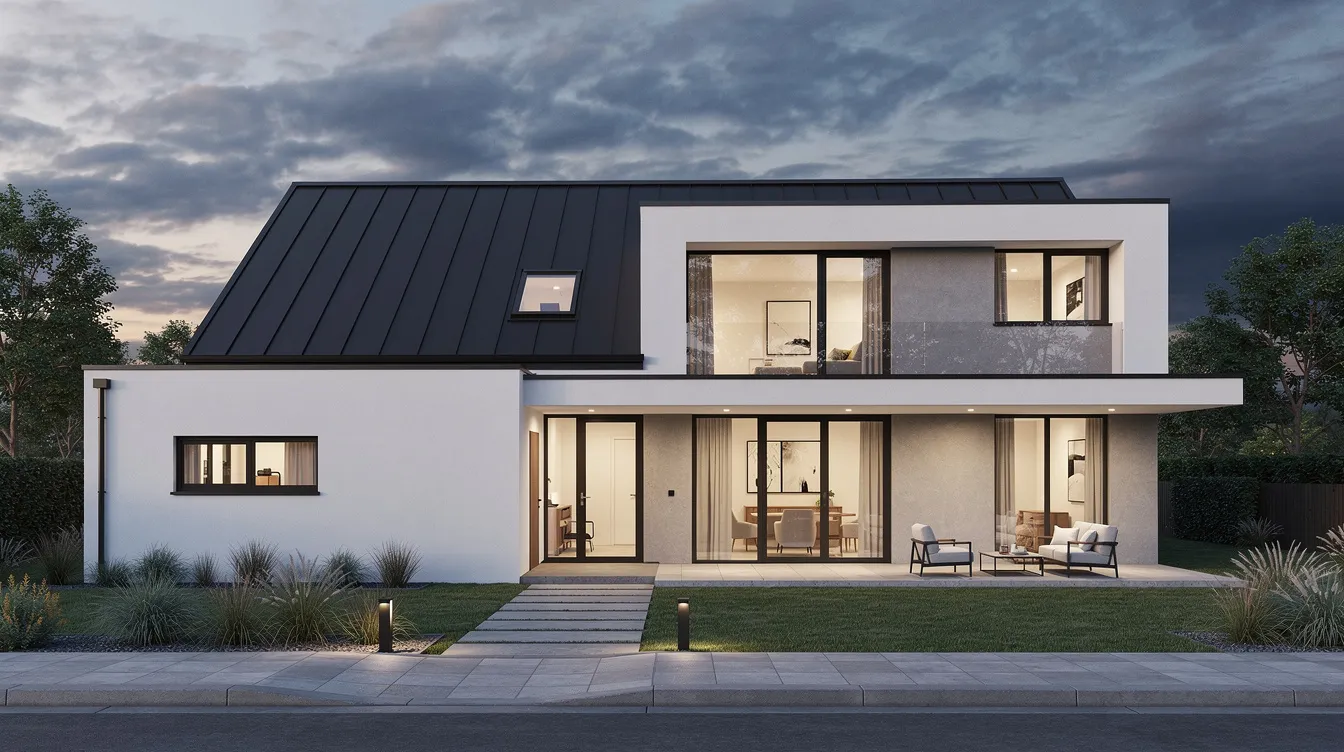
Standing seam metal roofs feature long, vertical panels running from ridge to eave with raised seams that interlock. Standing seam roofs use hidden fasteners for a sleek appearance, meaning fewer penetrations through the roofing panel exposed to weather. This design is the primary reason standing seam roofs have raised seams for leak resistance.
Two common standing seam panel types exist: snap-lock (easier to install, suited for steeper residential slopes) and mechanically seamed panels that require mechanical seaming on-site (preferred for low-slope commercial roofs and high-wind or heavy-snow areas). Standing seam metal roofs typically last 40–70 years. The modern, clean lines of standing seam panels make them popular for both contemporary homes and high-visibility commercial buildings.
Corrugated Metal Roof Panels
Corrugated metal roofs feature a rippled surface for strength – repeating ridges and valleys that increase panel stiffness, allowing thinner roofing materials while maintaining structural integrity. Corrugated panels are typically installed with fasteners exposed through the panel face into purlins or decking below.
Corrugated roofing systems are among the most budget-friendly metal roof types, with installed costs ranging from roughly $5 to $12 per square foot. Common applications include agricultural buildings, workshops, warehouses, and cost-conscious residential projects. The expected lifespan is 25–40 years, and periodic checking of screw holes, washers, and sealants is essential to maintain weathertightness. Corrugated steel remains a practical metal roofing option where an industrial or rustic look is acceptable.
Ribbed and Trapezoidal Metal Panels
Ribbed metal panels have high ridges and low valleys for texture, creating a bolder appearance than classic corrugated. R-panel and trapezoidal profiles are used frequently on commercial buildings, barns, and industrial facilities. The wider, flatter ribs provide good spanning ability between purlins, reducing the need for additional framing.
These panels are usually attached with exposed fasteners, making installation faster and less expensive but more maintenance-heavy over 20–30 years. For commercial projects, wind uplift ratings and building code compliance (such as UL 580 and UL 1897 standards) are critical considerations when specifying ribbed or trapezoidal panels.
Metal Shingles, Tiles, and Slate-Look Panels
Metal shingles can mimic traditional roofing materials like wood or slate, making them appealing in HOA-controlled neighborhoods where classic shingles or Spanish clay tiles define the streetscape. Metal shingles mimic traditional roofing materials like wood shakes through stamped or formed steel and aluminum panels, while tile profiles replicate the look of clay tiles at a fraction of the weight.
These products are installed as small interlocking panels rather than long sheets, and they can be made from steel, aluminum, or stone coated steel. Benefits include a traditional aesthetic, lighter weight than real slate or tile, fire resistant construction, and typically 40–50+ year lifespans. Installation is more detailed and labor-intensive than simple metal panels, which can raise the installed cost per square foot even when material cost is similar to corrugated.
Fastening Systems: Exposed vs Concealed Fasteners
How metal panels are attached is a major way to classify different metal roof types, with real implications for appearance, maintenance, and weathertightness. Standing seam metal and many high-end systems use concealed fasteners, while corrugated metal and agricultural panels use exposed fastener systems.
Exposed Fastener Metal Roofs
In an exposed fastener metal roof, screws with neoprene or EPDM washers are driven through the face of the roofing panel into purlins or decking. Each fastener head remains visible on the surface. Exposed fastener panels are typically less expensive than concealed fasteners – both in material and labor – and installation is faster, making them suitable for large, simple roof areas like warehouses or barns.
The downside: hundreds or thousands of penetrations must be monitored. Exposed fasteners can lead to leaks over time if not maintained, as washers dry out and screws can back out over 10–20 years. Even stone coated panels can be installed with visible fasteners in some systems, blending a residential look with lower upfront cost.
Concealed Fastener Metal Roofs
Concealed fastener panels use clips or screws hidden under seams or overlapping panels. Concealed fasteners provide better weather sealing and longevity, and concealed fasteners minimize the risk of water infiltration because critical connections are shielded from UV and moisture.
These systems – found in standing seam metal roofing and some interlocking shingle designs – are more technically demanding during the installation process and carry higher labor costs. The payoff is smooth, clean lines with no visible fasteners, which is especially important for modern architecture and commercial buildings where curb appeal matters.
Performance: Durability, Weather, and Energy Efficiency
Metal roofing generally offers long life and good weather resistance across different types of panel metal roofing. Most different metal roof types outperform asphalt shingle roofs in lifespan, fire resistance, and storm performance when proper installation is followed. Standing seam roofs and stone coated systems handle wind resistance well, often rated for 120–155+ mph. Corrugated panels typically achieve 110–130 mph ratings depending on fastening and framing.
Metal roofs can reflect solar heat away from your house, helping with energy efficiency. Coated metals with reflective PVDF finishes can reduce cooling costs by 10–25% compared to dark traditional shingles. Standing seam roofs are also excellent for solar panel integration because clamps attach at seams without creating additional screw holes. In extreme weather conditions – hail, heavy snow, wildfire – metal outperforms other roofing materials across nearly every metric.
|
System |
Expected Lifespan |
Wind Rating |
Maintenance Level |
|---|---|---|---|
|
Exposed fastener steel |
25–40 years |
110–130 mph |
Moderate |
|
Standing seam steel/aluminum |
50–70 years |
140+ mph |
Low |
|
Stone coated steel |
40–50+ years |
120–155 mph |
Low–moderate |
|
Copper / zinc |
80–100+ years |
Varies |
Very low |
Applications: Residential vs Commercial Metal Roofs
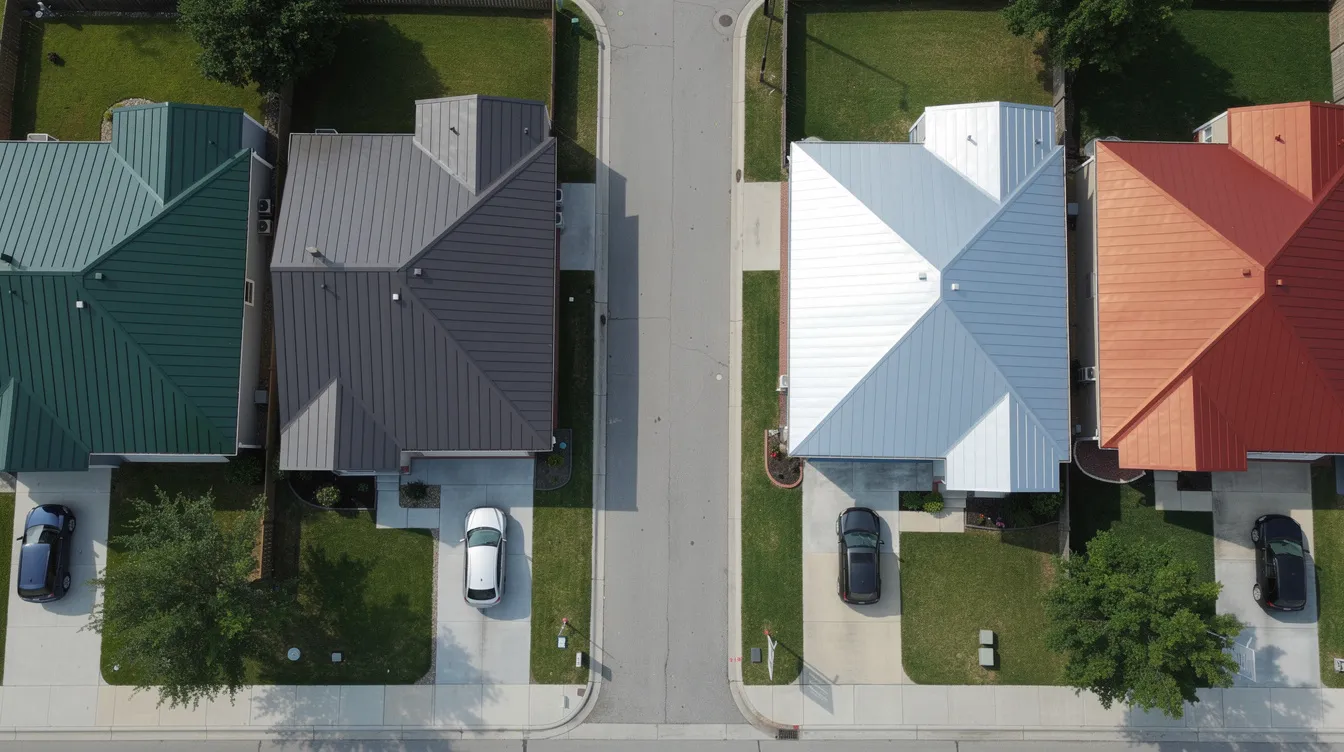
Many types of metal roofs are used differently on homes and commercial buildings, and homeowners often consider key facts about metal roofing when deciding which system to use. For residential roofs, standing seam metal roofing, metal shingles, and stone coated systems dominate because they deliver curb appeal and neighborhood compatibility – they don’t look out of place next to shingled roofs.
For commercial buildings and commercial projects, large-panel standing seam metal, ribbed structural panels, and corrugated metal are efficient options for long spans and low-slope roofs. Code requirements for fire ratings (Class A), wind uplift testing, and energy codes play a larger role in commercial specifications, and other metals like aluminum may be specified for corrosion-prone locations.
Cost Comparison of Different Metal Roof Types
Metal roofing typically costs more upfront than traditional asphalt roofing, but metal roofs can be less expensive than asphalt shingle roofs over their lifespan when you factor in longevity and maintenance. Over a 50-year span, a homeowner might replace asphalt shingles two or three times while a standing seam roof keeps performing.
|
Tier |
System |
Installed Cost (per sq ft) |
|---|---|---|
|
Budget |
Corrugated / R-panel steel |
$5–$12 |
|
Mid-range |
Standing seam steel, metal shingles |
$10–$17 |
|
Mid-range |
Stone coated steel |
$7–$13 |
|
Premium |
Copper, zinc standing seam |
$15–$30 |
|
Beyond upfront costs, metal roofs deliver soft-cost advantages: potential insurance discounts (due to fire resistant and wind-resistant construction), lower cooling costs from reflective finishes that reflect heat and reduce heat gain, and higher resale value, which many homeowners explore further through additional metal roofing resources and guides. These factors offset the gap between metal and traditional roofing materials over time, giving you all the benefits of long-term savings alongside superior protection. |
Installation Process for Metal Roofs
The installation process for metal roofs should be handled by trained, manufacturer-approved contractors, or specialized metal roof installation professionals. Precision during installation techniques directly affects leak resistance, panel performance, and warranty validity.
Key steps include:
-
Deck inspection – assess condition, check for rot or damage
-
Tear-off vs overlay decision – some codes allow metal over one layer of asphalt shingles
-
Underlayment and ice barrier – installed in valleys, eaves, and around penetrations
-
Flashing details – rakes, ridges, chimneys, vents
-
Panel layout and fastening – standing seam panels need seam forming tools and clip spacing for thermal movement; corrugated metal needs closure strips and properly driven exposed fasteners
-
Final inspection – verify code compliance and manufacturer specifications
Proper installation prevents mildew growth under panels, avoids oil-canning on standing seam surfaces, and ensures the roof performs to its rated lifespan.
Maintenance and Longevity by Metal Roof Type
Well-installed metal roofs require low maintenance and can last several decades, but they aren’t completely maintenance-free. Routine tasks include annual or biannual inspections, cleaning gutters, clearing debris from valleys, and checking for rust resistance failures at scratches or cut edges.
-
Standing seam, zinc roofs, copper roofs: Least maintenance. Concealed fasteners and protective patina (copper’s green patina, zinc’s blue gray patina) handle most exposure without intervention. Copper roofs can last over 100 years with minimal maintenance.
-
Corrugated / exposed fastener panels: More maintenance. Replace washers every 10–15 years, check for backed-out screws, repaint after 15–25 years.
-
Stone coated systems: Mid-level. Stone granules can erode at edges; individual panels can be replaced without removing the whole roof.
Most repairs – replacing a damaged roofing panel, resealing flashing, swapping aged fasteners – are manageable without a full tear-off, keeping long-term costs low maintenance relative to other roofing materials.
How to Choose the Right Metal Roof Type for Your Project
Follow this decision framework:
-
Identify priorities – budget, appearance, expected lifespan, storm resistance, rust resistance
-
Evaluate climate and exposure – coastal areas with salt spray demand aluminum or premium-coated Galvalume; hail zones favor thicker gauge steel or stone coated systems; fire-prone areas benefit from any metal roof
-
Check design requirements – HOA rules may push you toward metal shingles or stone coated products that resemble traditional asphalt shingles or classic shingles
-
Match type to priority:
-
Best for budget: corrugated metal
-
Best for modern aesthetics: standing seam metal roof
-
Best for traditional style: stone coated shingles or metal tiles
-
Best for extreme longevity: copper roofs, zinc roofs
-
Gather at least two or three bids from experienced contractors and follow best practices for choosing a metal roofing contractor. Ask specifically about panel thickness, coating type, fastening system, and warranty details. Use recycled material content and energy efficiency ratings as tiebreakers between similar options. An appropriately chosen and properly installed metal roof can outlast conventional roofing materials by decades.
Frequently Asked Questions About Metal Roof Types
These questions cover topics not fully addressed above, including noise, lightning safety, solar compatibility, overlay installation, and cold-climate performance.
Are metal roofs noisier than other roofing materials during rain or hail?
When installed over solid decking with underlayment and attic insulation, modern metal roofs produce noise levels comparable to asphalt shingles. The loud “tin roof” sound is mainly associated with bare metal over open framing in barns or sheds. Stone coated panels and metal shingles dampen sound even further due to their layered construction.
Do metal roofs attract lightning strikes?
Metal roofs do not increase the chances of a lightning strike. If lightning does hit, the metal roofing disperses energy across the panels safely. Because metal is noncombustible and fire resistant, it actually reduces fire risk compared to combustible roofing materials like wood shake or traditional shingles.
Can solar panels be installed on standing seam metal roofing?
Standing seam roofs are excellent platforms for solar. Clamp-on mounting brackets attach directly to raised seams without creating new roof penetrations, preserving weathertightness and simplifying the installation process. This non-penetrative approach is a significant advantage over exposed fastener systems or shingled roofs.
Is it possible to install a metal roof over existing shingles?
In many jurisdictions, lightweight metal roofing – especially steel or aluminum panels – can be installed over one existing layer of shingles if local building codes allow and the roof deck is in good condition. However, structural loads and manufacturer guidelines must be checked, and overlay can affect warranties and underside ventilation.
How do metal roofs perform in very cold or snowy climates?
Metal roofs shed snow efficiently thanks to their smooth surfaces, reducing snow load on the structure. Snow guards should be installed above doorways and walkways to prevent sudden slides. Proper attic ventilation and ice-barrier underlayment are essential to control ice dams and condensation in cold regions.