
If you’re wondering what a new roof will actually cost in 2026, you’re not alone. Metal roofing prices have stabilized after years of supply chain swings, but the range of options – and price tags – can still feel overwhelming. This page breaks down what homeowners really pay, material by material, so you can make a confident purchase decision.
Key Takeaways
-
Most homeowners in the U.S. spend between $9 and $18 per square foot for a fully installed metal roof, putting the total cost for a typical 1,700-square-foot roof at roughly $15,300–$30,600.
-
Corrugated metal and exposed-fastener panels are the most budget-friendly entry point, while standing seam, copper, and zinc systems sit at the higher cost end.
-
Labor can account for two-thirds of total metal roofing cost on steep, complex roofs with many penetrations and custom lengths.
-
Metal roofs can last 40 to 80 years – far longer than shingle roofs – and their low maintenance and energy efficiency often make the long run investment competitive with repeated asphalt shingle roof replacements.
-
Metal roofs are more durable than asphalt shingles and withstand severe weather conditions, including high winds and hail.
Understanding Metal Roofing Prices Per Square Foot
Metal roofing is generally priced either per square foot or per “square” (100 sq ft). In 2026, national averages for fully installed metal roofs typically range from about $9 to $18 per square foot, though metal roofing costs vary significantly depending on the material and roof design.
The gap between material-only and installed price is substantial. Steel roofing costs $1.50 to $4.00 per square foot for materials alone, while installation costs range from $3 to $11.80 per square foot depending on system complexity. Once you add labor, underlayment, trim, fasteners, and flashing, the all-in price climbs quickly.
Here’s a quick example to help you compare quotes for your own project:
-
A 1,700 sq ft roof at $10/sq ft = $17,000 total
-
The same roof at $16/sq ft = $27,200 total
That $6 difference per square foot translates to over $10,000 on a single job. Keep in mind that many online “per square foot” figures exclude tear-off, disposal, or structural work. Always ask contractors exactly what’s included. Labor costs for metal roofing can vary widely by region and labor availability, with coastal and high-cost metro areas in California, New York, and the Pacific Northwest generally hitting the top of the price range.
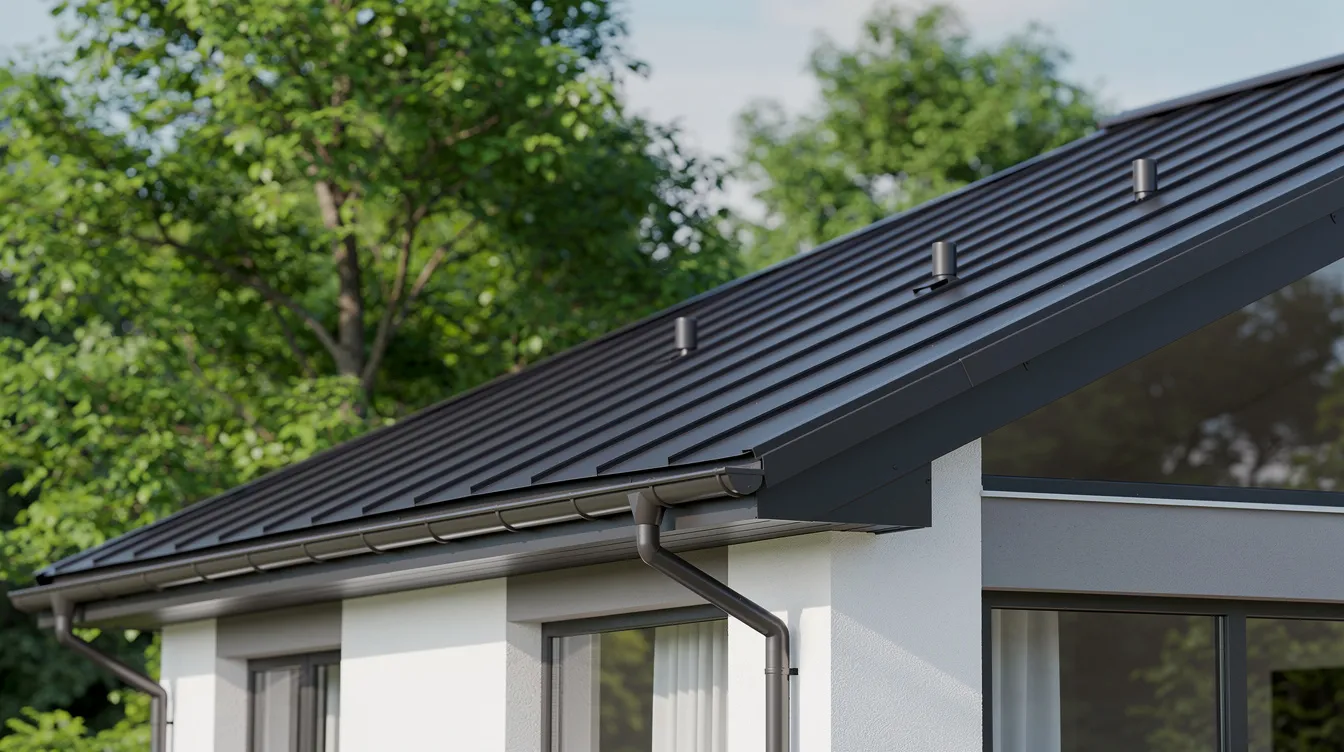
Metal Roof Cost by Material Type
Different types of metal roofing materials come with distinct price profiles. Here’s where the major options land in 2026:
-
Steel – Steel is the most common metal roofing material. Galvanized and galvalume steel panels typically cost about $6 to $16 per square foot installed. Metal roofing panels range from 29 gauge to 20 gauge; thicker panels (like 24 or 26 gauge) cost more but resist denting and offer better durability.
-
Aluminum – Aluminum roofing costs $3.50 to $6.50 per square foot for materials, with installed cost for a square foot aluminum standing seam roofing system reaching $8 to $18 depending on location. Aluminum makes strong sense in coastal regions where salty air quickly attacks standard steel.
-
Corrugated metal – Corrugated metal panels are typically the most affordable metal roofing option, averaging $4 to $7 per square foot for materials and around $7 to $12 installed. Exposed fasteners keep the price down, but they may need periodic maintenance since loose fasteners can cause leaks in different types of panel metal roofing.
-
Standing seam – Standing seam roofs are more expensive than corrugated metal roofs, with installed costs of about $8 to $14 per square foot. Standing seam panels require more labor and are more costly than exposed fastener systems, but concealed fasteners deliver better long-term performance.
-
Premium metals – Copper roofing costs $13 to $30 per square foot installed. Zinc roofing also costs $13 to $25 per square foot. Specialty stamped panels that mimic slate or shake generally run $9 to $16 installed. Premium materials like copper and zinc increase roofing costs significantly – these are architectural choices, not budget options.
Other Key Factors That Impact Metal Roofing Prices
Beyond material choice, several job-specific factors move a quote thousands of dollars in either direction.
-
Roof size and shape – Larger roofing jobs can reduce costs by 10% to 25% through economies of scale. However, roof complexity increases installation time and materials needed – hips, valleys, dormers, and skylights all raise labor cost per square foot.
-
Roof pitch and height – Steep roofs (over 6:12 pitch) and multi-story homes require extra safety equipment and time, often increasing total cost by 10–25% compared to a standard-slope project.
-
Old roof removal – Tearing off one or more layers of shingles commonly adds $1 to $3 per square foot in 2026, depending on local disposal fees and debris volume.
-
Underlayment and deck condition – Underlayment requirements for metal roofing may include high-temperature ice and water shields. Metal roofs require specific high-temperature synthetic underlayments and accessories, especially under standing seam systems. Rotten or sagging decking discovered during tear-off will add repair costs that aren’t always visible in an initial quote.
-
Location and climate – Areas with strict building codes, snow-load requirements, or hurricane-rated fastening systems see higher cost for both labor and hardware.
-
Customization – Factory-formed flashing, color-matched trim, special finishes, and custom lengths all add incremental cost but can improve performance, sound insulation, and curb appeal. Manufacturers offer cool-roof coatings and matte or textured options that reflect heat and may qualify for energy incentives in applicable regions.
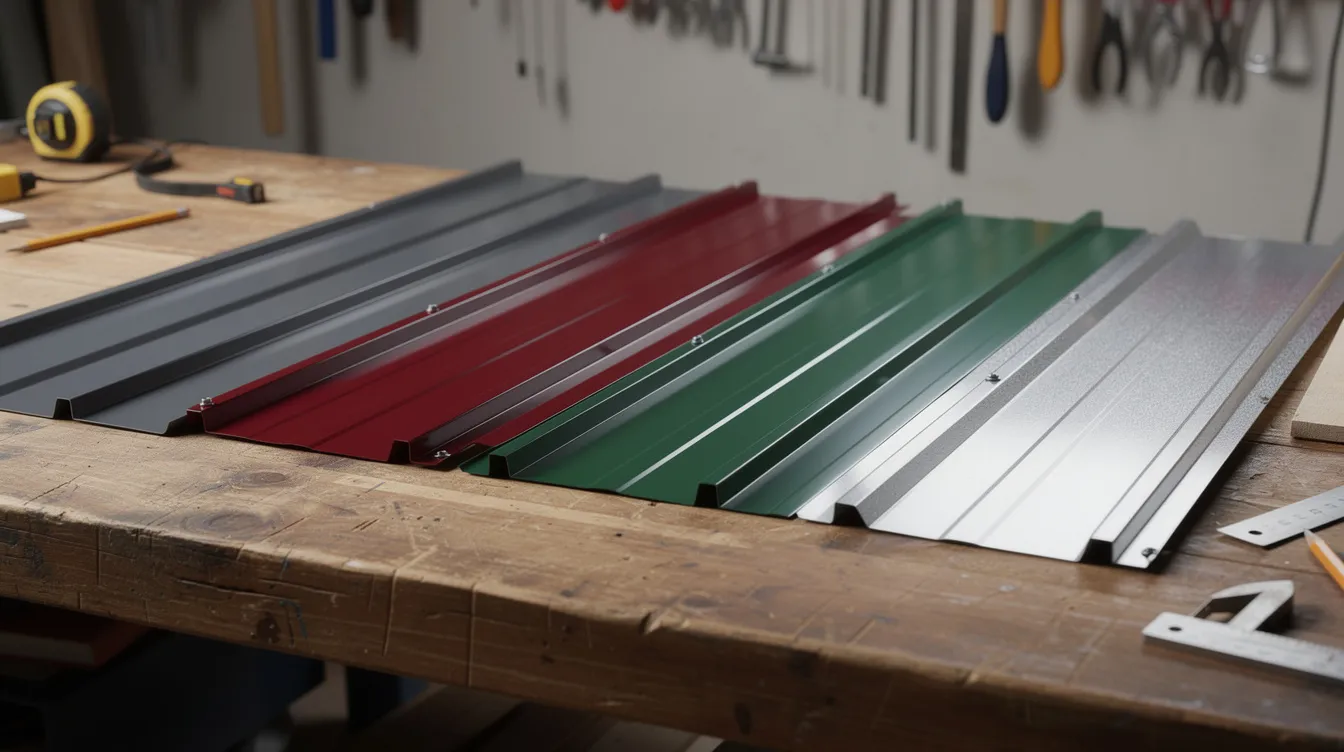
Comparing Metal Roof Costs to Asphalt Shingles
In 2026, a basic asphalt shingle roof typically costs $4.50–$7.50 per square foot installed, while most metal roofs run $9–$18 – making metal roughly 1.5–3× the upfront price. But the long-term cost comparison between metal and asphalt roofs tells a different story.
Asphalt shingle roofs last 15 to 25 years. Metal roofing typically lasts 30 to 50 years or more, and some metal roofs can last over 100 years with premium metals like copper. Here’s how the numbers compare for a 1,700 sq ft home over 45–50 years:
-
Asphalt at $6/sq ft ≈ $10,200 per install, replaced twice ≈ $20,400–$30,600 total (not counting inflation)
-
Metal at $13/sq ft ≈ $22,100 once over the same period
Metal roofs withstand severe weather conditions and are highly reflective, potentially lowering cooling costs by 20% to 30%. Reflective metal roofs help save energy in warmer months, and some insurers in hail- and fire-prone circumstances offer discounts for noncombustible roofs – partially offsetting the higher cost of installation. When you compare the numbers across decades, the expensive upfront investment in metal often makes more sense than paying for repeated shingle replacements, especially when you factor in the ultimate guide to how metal roofing can save you money.
How to Build and Manage a Realistic Metal Roof Budget
Careful planning prevents surprise costs on any roofing project. Start by getting your roof’s actual square footage from a contractor or building plans – living space and roof coverage are not the same, since overhangs and pitch add area.
Break your budget into clear line items:
-
Materials – panels, trim, fasteners, underlayment
-
Labor – tear-off, install, flashing, and seam work
-
Extras – ventilation upgrades, gutters, snow guards, access scaffolding, additional insulation
Get at least three written quotes from licensed, insured contractors. Each quote should list the metal roofing materials, gauge, finish, and whether the price is per square foot or a total project price. Plan a 10–15% contingency fund for unexpected issues like hidden leaks or structural reinforcement.
Many homeowners in 2026 use home equity loans or contractor financing to spread a $20,000–$35,000 metal roof expense over time. Don’t choose a contractor solely on the lowest payment – choosing the right metal roofing contractor means verifying references, warranty coverage, and length of workmanship guarantees. Metal roofs require minimal upkeep over their lifespan, so the right installation pays dividends for decades.
Choosing the Right Metal Roofing Type for Your Home and Budget
Metal roof prices are only one piece of the decision. You need to balance budget, appearance, different styles and colors of metal roofing, climate, and longevity.
-
Exposed-fastener corrugated panels – A cost-effective option for garages, barns, cabins, and some residential projects where the noise of rain on thicker panels isn’t a concern. Lower price per square foot, but more maintenance over decades since fasteners are exposed.
-
Standing seam – Its sleek, modern look and concealed fasteners make it a favorite for primary homes. It’s especially well-suited for solar panel mounting, snow-prone regions, and homeowners making a sustainable, low maintenance choice.
-
Profile and color – Ribbed, shake-look, and slate-look profiles let you choose a traditional appearance while gaining metal’s durable lifespan. Light colors and cool-roof coatings improve reflectivity, which is applicable in hot climates and may slightly affect price.
-
Resale and local rules – Verify HOA guidelines and local codes about metal roofs, especially glare and color restrictions. A well-installed metal roof can boost curb appeal and resale value, particularly in areas struck by frequent hail, wildfire risk, or heavy snow.
Metal roofs can be made from recycled materials, and metal roofing is recyclable at the end of its lifespan – making them a sustainable option that reduces waste compared to traditional roofing materials while offering 12 key benefits of metal roofing. Keep metal roofs free of debris to prevent water buildup, and gutters should be cleaned regularly to avoid clogs. With proper maintenance, metal roofs can last 40 to 80 years, and many homeowners have additional questions answered in metal roofing frequently asked questions.
FAQ: Common Questions About Metal Roofing Prices
This FAQ addresses practical cost questions with concise, homeowner-friendly answers drawn from current 2026 market data. Homeowners who want more in-depth guides and eBooks can explore additional metal roofing resources.
Do metal roof prices drop in winter or off-peak months?
Some contractors offer small discounts during slower seasons, but weather constraints limit how much work can be done. Savings are usually modest – plan your project based on readiness, not seasonal timing.
Can I install a metal roof myself to save money?
DIY material costs may be similar to what contractors pay, but labor is where the real savings live. Improper installation can void warranties and lead to leaks, so DIY generally only makes sense for simple, low-slope structures like sheds and small cabins.
Will metal roof prices go up in the next few years?
Metal roofing materials are tied to global steel and aluminum markets. Most manufacturers and suppliers in 2026 expect moderate, ongoing increases rather than sharp drops. Waiting for significantly cheaper prices is a risky strategy.
What should a metal roofing quote include?
A complete proposal should specify panels, trim, underlayment, fasteners, flashing, labor, tear-off, disposal, and any deck repairs or ventilation work. Ask your contractor to highlight any line items that are “allowances” or not guaranteed in the final price.
How far do metal roofing warranties go?
Paint and finish warranties often range 30–40 years. Material warranties on the metal substrate may extend 40–100 years depending on the metal. Workmanship warranties are separate and typically run 5–20 years, varying by installer reputation and the length of the coverage agreement.