
Key Takeaways
-
Most metal roofs last 40 to 80 years, with premium options like copper and zinc lasting up to 100 years, far outperforming asphalt shingle roofs in durability and weather resistance.
-
Common metal roofing materials in 2026 include galvanized steel, Galvalume steel, aluminum, copper, and zinc, each with distinct cost and performance profiles.
-
Metal roof styles include standing seam, corrugated, and metal shingles. Standing seam metal roofs use concealed fasteners and cost more, while corrugated metal roofs and exposed fastener panels are more affordable but need more maintenance.
-
Average professionally installed metal roof cost in 2026 ranges roughly from $7 to $18 per square foot depending on material, profile, and roof complexity.
-
Choosing the right system means balancing budget, local climate, aesthetics, and installation quality rather than focusing on price alone.
Introduction to Metal Roofing in 2026
Metal roofs have shifted from niche to mainstream across the U.S. and Canada over the past decade. Stronger storms, expanding wildfire zones, and rising energy costs have pushed homeowners to look beyond traditional roofing materials. The result is a surge in demand for metal panels and metal roof sheets installed on everything from ranch homes to modern builds.
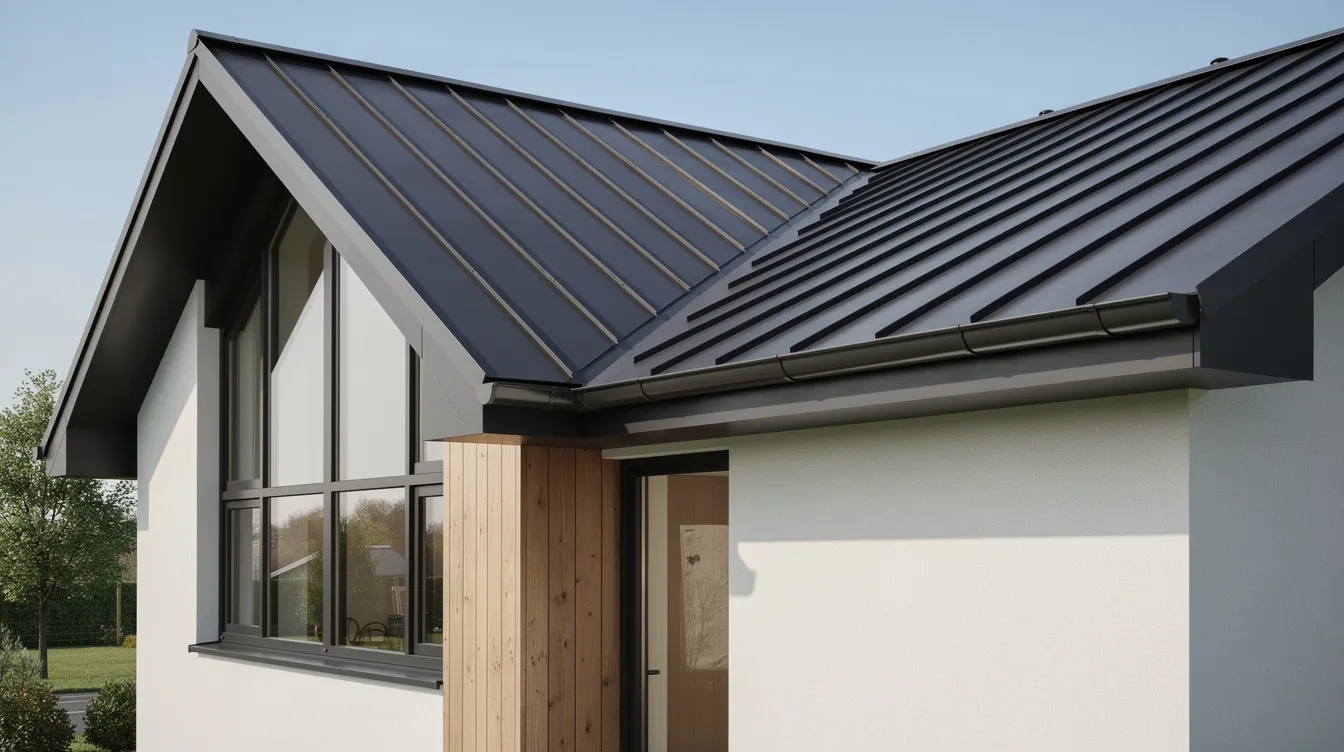
At its simplest, a metal roof is a system of interlocking metal panels or shingles secured over a roof deck or, in some cases, over an existing roof. The most common metals are steel, aluminum, copper, and zinc. Compared to asphalt shingle roofs, clay tiles, or wood shakes, a quality metal roof typically requires far less maintenance and can last two to four times longer. Metal roofs can also improve curb appeal and increase property value, a factor many homeowners overlook during initial research.
This guide covers metal roofing materials, popular styles and profiles, fastening methods, metal roof cost per square foot in 2026, pros, cons, and practical advice for selecting the right system for your next project.
Common Metal Roofing Materials and How They Differ
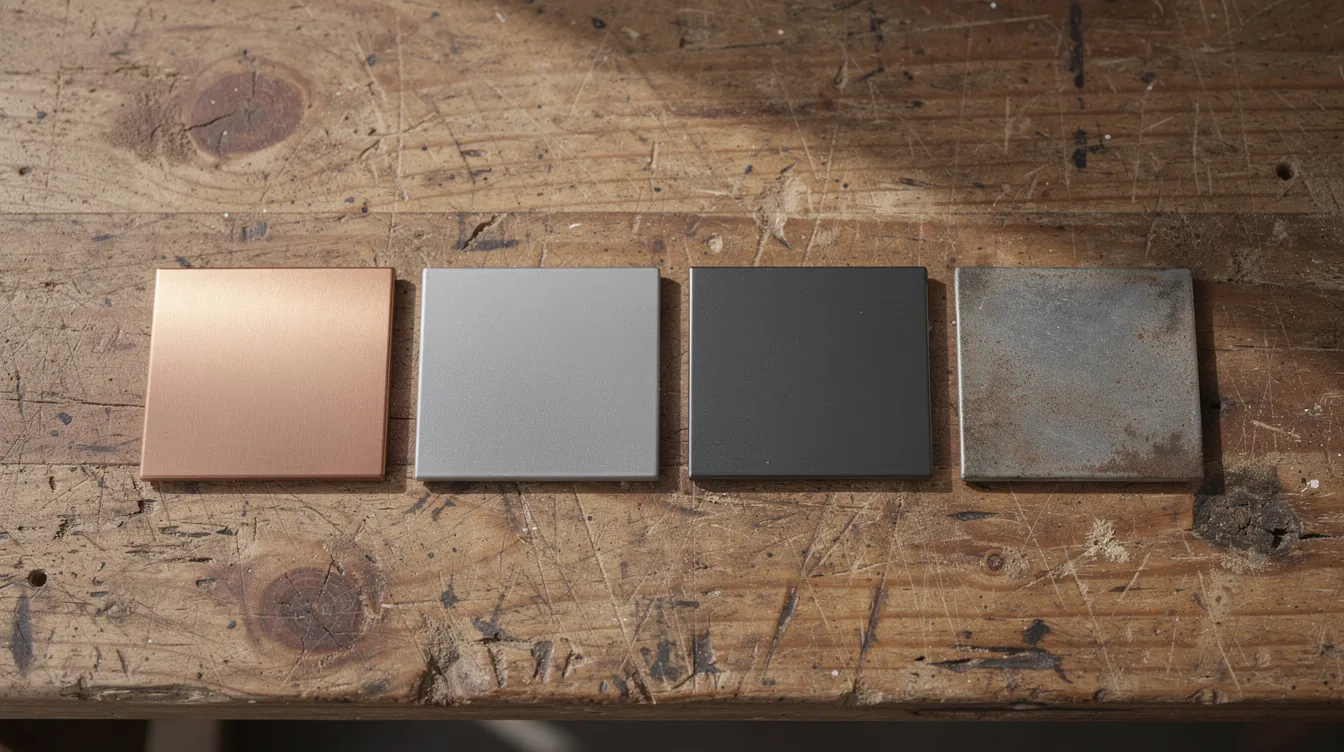
The term “metal roof” is broad. Performance, longevity, and price depend heavily on the specific metal and its coating. Here is what you need to know about the main options.
Galvanized and Galvalume Steel
Steel roofing is the most common and affordable metal roofing option in North America. Galvanized steel roofing uses a zinc coating (typically G-90) to prevent rust, while Galvalume steel uses a coating of roughly 55% aluminum, 43% zinc, and 1.6% silicon for stronger corrosion resistance. Metal roofing panels range from 20 to 29 gauge in thickness, with 26-gauge being typical for residential work and 24- or 22-gauge offering heavier-duty protection. Steel sits at the lower to mid end of material costs.
Aluminum Roofing
Aluminum roofing resists rust, making it suitable for coastal areas where salt spray destroys iron-based metals quickly. It is lightweight and durable, often used for standing seam installations on beach houses or low-slope roofs along the Gulf Coast and Florida. Aluminum costs more than steel but avoids the corrosion headaches common in marine environments.
Copper Roofing
Copper is a premium choice. Copper roofing develops a protective patina over time, a distinctive green surface layer that shields the underlying metal for generations. Metal roofs can last up to 100 years with copper, making it a go-to for high-end homes, churches, and architectural accents like dormers or bay windows. The price reflects that longevity.
Zinc Roofing
Zinc has a self-healing surface: micro-scratches oxidize and seal themselves. Its lifespan rivals copper. Zinc has been standard in Europe for decades and is increasingly used in high-end U.S. projects, typically installed as standing seam or flat-lock panels on complex roofs. Among other metals, zinc stands out for nearly zero maintenance over its life.
All of these metals contain recycled content, and metal roofs are 100% recyclable at the end of their life, a meaningful advantage over other roofing materials headed for landfills.
Popular Metal Roof Styles: Standing Seam vs Corrugated and More
Style refers to the shape and profile of the panels and how they look on your roof. Three categories dominate.
Standing Seam Metal Roofs
Standing seam metal roofs feature vertical ribs and hidden fasteners, creating a clean, modern surface. Typical panel widths run 12 to 18 inches, and among the different types of panel metal roofing, standing seam roofs can be over 30 feet long, reducing the number of horizontal seams and potential leak points. These systems work on pitched roofs and can handle slopes as low as 2:12 when properly detailed. The concealed fastener design means fewer maintenance concerns and a longer effective lifespan.
Corrugated Metal Roofs and Exposed Fastener Panels
Corrugated metal roofs use wavy or ribbed metal roof sheets fastened through the face with screws. You will see them on barns, cabins, and budget-friendly residential builds, and they are one of many metal roof styles and colors that can match different home designs. Corrugated metal roofs can last 30 to 45 years with maintenance, though the visible screw lines and aging neoprene washers mean periodic checkups are part of ownership. These panels are more affordable upfront but trade some longevity and waterproofing for that savings.
Metal Shingles, Tiles, and Stone Coated Steel
Metal tile sheets are often stone-coated or painted steel, designed to mimic the look of slate, clay tiles, or traditional asphalt shingle profiles. Stone coated steel gained popularity in hail- and wind-prone regions after 2015 because it combines the impact resistance of metal with a textured, familiar aesthetic. These are heavier per panel than standing seam sheets but still far lighter than genuine slate or concrete tiles.
Matching style to architecture matters. Corrugated metal fits farmhouse and rustic styles well. Standing seam works for modern and contemporary homes. Metal shingles suit traditional neighborhoods and HOA-restricted communities.
Fastening Methods and Installation Systems
How panels attach to your roof deck directly affects leak risk, maintenance burden, and the overall lifespan of your new roof.
Exposed Fastener Panels
Exposed fastener panels use metal screws driven through the panel face into the decking or purlins. Each screw has a neoprene washer that seals the hole. Over time, washers degrade, and thermal movement loosens screws, so you should plan to inspect and fix any loose or worn fasteners every few years. Exposed fastener panels are less expensive than concealed fasteners, making them the entry point for homeowners on a tight budget.
Concealed Fastener Systems (Standing Seam)
Standing seam metal roofs feature hidden fasteners, enhancing weather resistance. Panels lock together at the seams and are held by clips or fastener strips anchored to the deck beneath. No screws penetrate the panel surface, so there are fewer potential leak paths and a cleaner visual finish.
Mechanically Seamed Standing Seam
On low-slope or high-snow roofs, seams are folded closed with a seaming tool in a single- or double-lock configuration. Mechanically seamed roofs offer extra weather protection and are the gold standard for waterproofing in severe weather conditions, especially when paired with an appropriate gauge of metal roofing for the project.
Snap-Lock Standing Seam
Snap-locked roofs allow for thermal expansion with hidden fasteners. Panels snap together on site without mechanical seaming, which speeds up installation and suits residential pitched roofs well. They are slightly less watertight than mechanically seamed systems at very low slopes.
Regardless of method, proper underlayment, ice and water shields in cold climates, and allowance for thermal expansion are essential. Metal roofs expand and contract with temperature changes, requiring proper installation. Proper installation prevents fasteners from loosening due to temperature changes, and it is critical for maintaining longevity in metal roofing.
Metal Roof Cost in 2026: What Impacts Price?
Metal roof cost varies widely. Here are typical installed cost ranges per square foot (labor plus materials) for 2026:
-
Steel exposed fastener panels (corrugated, R-panel): roughly $4.50–$9.00 per square foot
-
Steel standing seam (24-gauge, PVDF finish): roughly $9.00–$16.00 per square foot
-
Aluminum standing seam: roughly $10.00–$18.00 per square foot
-
Stone coated steel shingles or tiles: roughly $8.00–$14.00 per square foot
-
Copper roofing costs between $13 and $25 per square foot; zinc roofing also costs between $13 and $25 per square foot
For raw material costs alone, steel roofing typically costs $1.50 to $4.00 per square foot, and aluminum roofing costs between $3.50 and $6.50 per square foot. The rest goes to labor, underlayment, trim, and accessories.
Initial costs for metal roofs average $11,000 for 2,300 square feet at the lower end of the spectrum. For a 2,000 square foot home, a mid-range standing seam Galvalume roof might run $18,000–$32,000, while corrugated steel could come in around $10,000–$24,000.
The initial cost of metal roofing is higher than traditional asphalt shingle roofs. But compared to replacing asphalt shingle roofs two or three times over 50 years, a single metal install often costs less in total, making metal roofs more cost-effective than asphalt shingles over the long term.
Factors that push price higher include steep pitch, complex rooflines with many valleys and dormers, tear-off of an existing roof, and high local labor rates. Coastal metro areas typically see higher pricing than the Midwest. Material costs also fluctuate with steel and aluminum commodity markets.
When reviewing quotes, make sure each proposal details the panel type, gauge, paint system (PVDF vs. SMP), underlayment, and whether tear-off or decking repair is included.
Pros of Metal Roofs: Performance, Energy, and Environment
Metal roofs are chosen for long-term performance advantages, not lowest upfront cost.
Longevity and Durability
Most metal roofs deliver 40 to 70 years of service with quality steel or aluminum systems. Copper and zinc push that figure toward 100 years. Metal roofs are resistant to fire, wind, hail, and mildew. They carry a Class A fire rating, indicating high fire resistance, which matters in wildfire-prone zones. They handle high winds and severe weather conditions that would shred lesser roofing materials.
Energy Efficiency
Metal roofs reflect 10% to 75% of solar radiation depending on color and coating. Lighter, “cool roof” painted finishes perform best, and a properly designed metal roof that reflects heat away can reduce energy costs by up to 40%, a significant factor in hot southern climates. Modern PVDF and Tedlar PVF film finishes maintain their reflectivity for decades, unlike coated asphalt that darkens over time.
Environmental Benefits
Metal roofs are 100% recyclable. Meanwhile, 20 billion pounds of asphalt shingles end up in landfills annually in the U.S. A single long-lasting system illustrates several of the key things to know about metal roofing, including how one metal roof that lasts 60 years eliminates multiple tear-off cycles and the waste that goes with them.
Weight and Structural Advantages
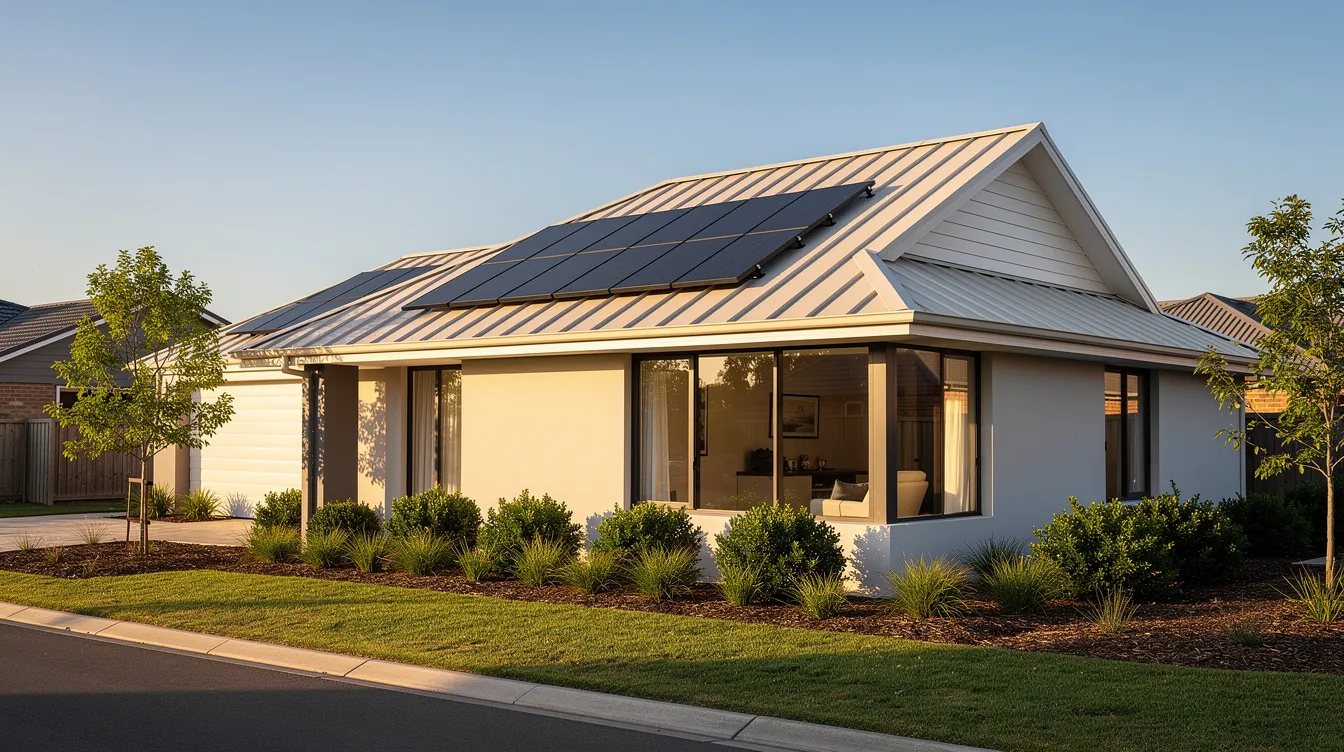
Metal panels are lightweight compared to concrete tiles or slate. This often allows install over one layer of existing shingles where code permits, saving disposal costs. Standing seam metal roofs also allow clamp-on solar mounts without roof penetrations, protecting waterproofing while supporting solar panel investments over the roof’s long life.
Metal roofs can improve curb appeal and increase property value, combining practical performance with a clean, modern look that buyers notice.
Cons and Potential Drawbacks of Metal Roofs
Despite their advantages, metal roofs are not the right fit for every budget or situation, so many homeowners benefit from consulting additional metal roofing resources and guides before making a final decision.
Higher Upfront Cost
Metal roofing can cost two to three times more than basic asphalt shingle installation. For homeowners who plan to sell within five years, the return on that investment may not fully materialize. Budget planning and financing options help, but the sticker shock is real.
Noise Concerns
Metal roofs can be noisier during rain without proper insulation. In a building with open framing and no attic insulation, heavy rain or hail is noticeably louder. However, when installed over solid sheathing with standard attic insulation, the difference compared to asphalt shingles is minimal.
Expansion, Contraction, and Oil Canning
Temperature swings cause metal panels to move. Without slotted clips and careful detailing, this movement can stress fasteners and create cosmetic waviness called “oil canning” on the surface of flat panels. Choosing the right gauge, adding minor rib profiles, and hiring experienced installers reduce this risk. Thinner panels and wider widths are more susceptible.
Dent Risk
Softer metals like aluminum and copper may dent from large hail or falling branches. Some insurers treat cosmetic hail damage differently than functional damage, which can complicate claims. Thicker gauges and impact-rated panels (UL 2218 Class 4) minimize this concern.
Contractor and Detail Sensitivity
Poor installation with improper flashing, bad fastener placement, or skipped underlayment can completely negate the advantages of even the best metal roofing materials. Contractor selection is not the place to cut corners, and following a structured guide for choosing a metal roofing contractor helps avoid these pitfalls.
Choosing the Right Metal Roof for Your Home or Building
There is no single “best” metal roof. The right choice depends on climate, structure, budget, and appearance.
Climate-Based Guidance
In coastal or high-salt areas, aluminum or premium coated steel with stainless steel fasteners is the safest bet to prevent rust and corrosion. For regions with heavy snow or rain, mechanically seamed standing seam systems provide the highest level of waterproofing and wind protection.
Budget and Return on Investment
If you can afford a mid-range steel standing seam metal roof with a quality PVDF finish, the math usually favors metal over the long haul. Metal roofs can save homeowners around 40% on energy costs annually, and you avoid the expense of two or three asphalt shingle replacements over 40 to 50 years. For tighter budgets, corrugated steel is more affordable but requires you to maintain and replace fasteners periodically to decide on the best path forward.
Aesthetic and HOA Considerations
Match panel profile and color to your home’s architectural styles. Corrugated metal fits farmhouse and rustic designs. Flat standing seam suits contemporary builds. Metal shingles or stone coated steel work well in traditional neighborhoods or HOA-regulated communities where visible seams may not be welcome.
Existing Roof and Structure
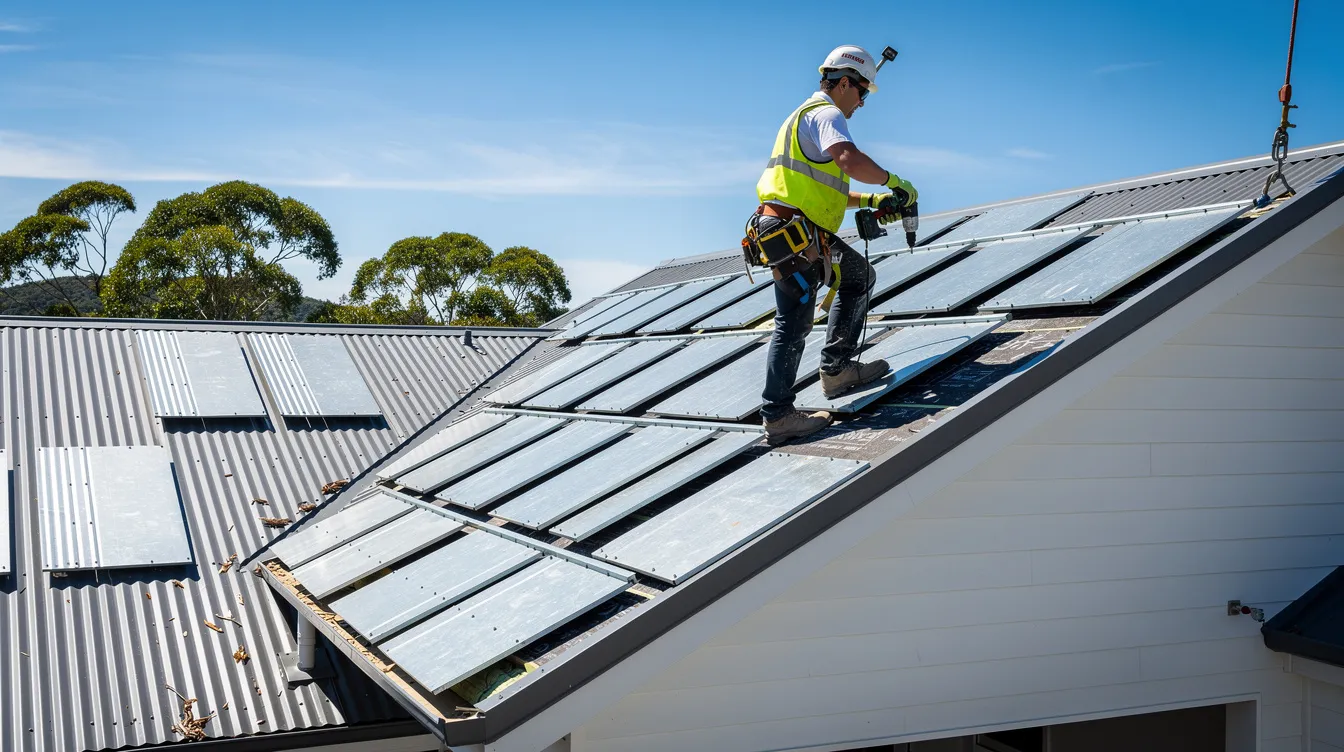
When the existing roof has only one layer of sound shingles, many codes allow an overlay, which saves on tear-off and disposal. However, multiple shingle layers, moisture damage, or manufacturer warranty requirements may demand a full tear-off and deck inspection before your new roof goes on, so it is important to understand when you can put a metal roof over a shingle roof and when you cannot.
Request detailed, written proposals from at least three qualified metal roofing contractors. Ask about panel source, paint system, warranty terms, and crew experience before you decide.
Installation, Maintenance, and Longevity Tips
Metal roofs require minimal maintenance compared to asphalt shingles, but they are not maintenance-free, especially exposed fastener systems.
Typical Installation Sequence
-
Tear-off or preparation of the existing roof surface.
-
Underlayment and ice-and-water shield installation in vulnerable areas (eaves, valleys).
-
Panel layout, trimming, and flashing around penetrations like vents, chimneys, and skylights.
-
Ridge cap, drip edge, and trim install to complete the watertight envelope.
Maintenance Guidelines
-
Inspect once or twice a year for loose fasteners, sealant wear, and debris in valleys and gutters.
-
Clean pollen, leaves, or light mildew with a garden hose and soft brush. Avoid abrasive tools that scratch painted or coated surfaces.
-
On exposed fastener roofs, check screw tightness and washer condition every three to five years.
Snow and Ice Management
On standing seam metal roofs above entryways, garages, and walkways, install snow guards to prevent sudden snow slides. Metal’s smooth surface sheds snow efficiently, which is a benefit until a sheet of ice slides onto someone below.
Following manufacturer instructions and using compatible accessories preserves both paint and weathertight warranties over decades. Cut corners on maintenance, and you shorten the life of even the most durable system.
FAQ: Metal Roofs
Below are answers to common questions from first-time metal roof buyers that were not fully covered above.
Will a metal roof make my house hotter in summer?
No. Properly coated metal roofing reflects more solar radiation than dark asphalt shingles. Paired with adequate attic insulation and ventilation, a metal roof can actually lower indoor temperatures and reduce cooling loads. Light-colored, “cool roof” finishes perform best in hot, sunny climates. Metal roofs can reduce energy costs by 40%, largely because they maintain their reflective quality for decades while asphalt surfaces absorb increasingly more heat as they age.
Can I install a metal roof over my existing shingles?
Many building codes allow you to install metal panels over one layer of asphalt shingles if the deck is structurally sound and local code approves. This approach reduces tear-off labor and landfill costs. However, full tear-off is required when there are multiple shingle layers, signs of moisture damage, structural concerns, or when certain standing seam manufacturers require it for warranty coverage.
Do metal roofs attract lightning?
Metal roofs do not increase the likelihood of a lightning strike. Lightning targets height, location, and surrounding topography, not the roofing materials on a structure. If lightning does strike, a metal roof is noncombustible and can safely dissipate the energy when the building is properly grounded. This fire resistant quality actually makes metal safer than combustible alternatives in a lightning event.
How noisy is a metal roof during heavy rain or hail?
Modern metal roofs installed over solid sheathing, underlayment, and attic insulation are only slightly louder than asphalt shingle roofs, if at all. Noise is more noticeable in uninsulated metal buildings or pole barns where panels sit on purlins with no solid decking. Adding insulation or sound-deadening underlayment in those situations brings noise levels down significantly.
Can I walk on a metal roof without damaging it?
Most residential metal roofs can be walked on carefully. Techniques vary by profile and gauge. On standing seam panels, step on the flat area between seams where decking provides support. On corrugated metal, step on the ridges directly over purlins or structural members. Wear soft-soled shoes, avoid dragging tools across the surface, and always check manufacturer or contractor guidance before walking on the roof to avoid cosmetic or structural damage.